
About Dhikala Zone
Dhikala Zone is the most celebrated tourism zone of Corbett Tiger Reserve because it gives visitors the feeling of staying deep inside the forest. The route begins from Dhangari Gate and moves through sal woodland, river channels, forest bends, watchtower points, and open grassland country before reaching Dhikala Tourist Complex.
The landscape is famous for Dhikala Chaur and Phulai Chaur, where visitors often scan for elephants, spotted deer, hog deer, wild boar, jackal, raptors, water birds, and tiger movement along the grassland edges. The Ramganga river system, reservoir views, and Kanda ridge backdrop make Dhikala one of the most photogenic parts of Corbett.
History Of Dhikala
The Dhikala Forest Rest House is part of Corbett's early forest tourism history. The old rest house dates back to the British period and is commonly associated with the late 19th century. Dhikala later became one of the most important visitor complexes in the reserve and is remembered for its role in the early Project Tiger era.
Corbett itself was established in 1936 as India's first national park and later became a key tiger reserve. Dhikala's heritage matters because it connects old forest administration, conservation history, grassland management, and modern regulated tourism in one place.
Geography And Landscape
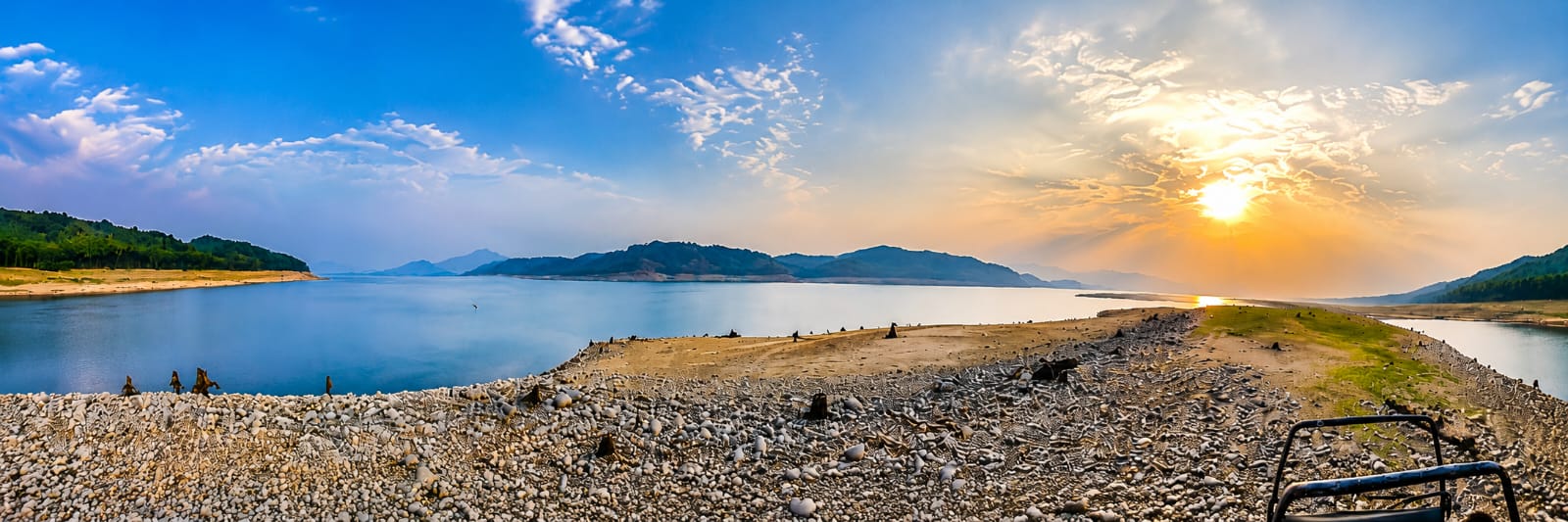
Dhikala sits around the Patli Dun valley, with the Ramganga river and reservoir forming the dominant water landscape. Its geography is a mix of sal forest, riverine belts, dry stream beds, rolling slopes, grassland, and open views toward the Kanda ridge.
This variety is the reason Dhikala feels different from shorter safari zones. The forest can change quickly from shaded sal tracks to wide open chaurs where long-distance scanning is possible. Winter mornings are misty and atmospheric, spring brings clearer forest visibility, and summer concentrates wildlife activity around water sources.
Forest Lodges In Dhikala Zone
Night-stay accommodation inside Dhikala Zone is limited and controlled through forest department booking. Rooms are simple, functional, and valued mainly for location rather than luxury. Guests should expect basic forest-stay comfort, strict rules, early reporting, and limited mobile connectivity.
Dhikala Forest Rest House
The main complex with the most famous location, panoramic valley views, canteen facility, watchtower access nearby, and strong appeal for wildlife photographers.
Gairal Forest Rest House
A quieter riverside stay on the Dhangari-Dhikala route, often preferred by guests who want a peaceful setting with birding and river views.
Sarpduli Forest Rest House
Located along the forest road with good riverine habitat nearby. It is known for a calm forest feel and chances of elephant and bird activity.
Sultan Forest Rest House
A more secluded forest rest house surrounded by dense sal woodland, suitable for visitors who prefer a quieter stay over a busier tourist complex.
Canteen facilities are usually associated with Dhikala and Gairal. Other forest rest houses may require kitchen/ration planning as per current rules.
Opening, Closing And Safari Timing
Dhikala usually welcomes visitors from 15 November to 15 June. Night halts remain closed from 15 June to 14 November, and Dhikala day visits are generally closed from 16 June to 14 November. From 1 June to 15 June, access can be kept on standby and may close at short notice depending on weather and safety.
Timings are seasonal and may change. Guests should always carry the same photo ID used for booking and follow the reporting time printed on the confirmed permit.
Best Time To Visit Dhikala
November to February is excellent for cool weather, misty grassland views, birding, and relaxed travel. March and April are strong for wildlife movement, clearer visibility, and comfortable safari conditions. May to mid-June can be hot, but water-source activity is often rewarding for serious wildlife watchers.
For families and first-time visitors, December to March is usually the most balanced window. For photographers and repeat wildlife travelers, April to early June can be productive if heat is not a concern.
How To Reach Dhikala Zone
Ramnagar is the practical base town for Dhikala. From Ramnagar, guests report toward Dhangari Gate, complete permit and ID checks, and then proceed inside the reserve in registered safari vehicles. Private tourist vehicles are not used for safari drives inside the tiger reserve.
- By road: Delhi to Ramnagar via Moradabad and Kashipur is the most common route. Keep a buffer for traffic and gate reporting.
- By train: Ramnagar railway station is the nearest railhead and works well for guests coming from Delhi and nearby cities.
- By air: Delhi and Dehradun are the major airport options. Pantnagar may be useful when flights are available.
Sample Dhikala Tour Itinerary
Short Dhikala Stay
Day 1: Arrive Ramnagar, permit check, enter from Dhangari Gate, drive to Dhikala with forest stops, evening campus time or approved safari activity.
Day 2: Early morning safari drive, breakfast, check-out, return through the forest route, optional Corbett Museum or Garjiya Devi Temple visit.
Balanced Wildlife Plan
Day 1: Reach Ramnagar, enter Dhikala, settle into the forest rest house, enjoy river and chaur views from permitted areas.
Day 2: Morning jeep safari, rest during midday, afternoon safari or watchtower-focused wildlife viewing, dinner at the lodge.
Day 3: Final morning safari, check-out, exit via Dhangari Gate, continue to onward hotel, station, or road transfer.
Packing Tips For Dhikala
- Original photo ID used at booking for every adult traveler.
- Neutral clothing in olive, khaki, grey, brown, or muted green.
- Warm jacket, cap, and gloves for winter morning safaris.
- Sun hat, sunglasses, sunscreen, and refillable water bottle for summer.
- Binoculars, camera batteries, memory cards, and lens cloth.
- Personal medicines, motion sickness tablets, and basic first aid.
- Small backpack instead of hard luggage for easy vehicle handling.
- Avoid bright clothes, loud speakers, alcohol, plastic litter, and strong perfumes.
Important Rules And Practical Notes
Dhikala is inside a protected tiger reserve, so the visit is different from a regular resort holiday. Guests must stay inside approved areas, remain seated in safari vehicles, avoid feeding wildlife, follow the registered guide's instructions, and respect quiet forest behavior.
Night safari, walking freely inside the forest, getting down from the vehicle, loud music, cooking without permission, and carrying prohibited items can lead to penalties or cancellation of access. Book early, keep guest details accurate, and treat the permit rules seriously.